For 75 years, the Chronicle Garden Competition has been at the heart of Toowoomba’s iconic floral celebrations, bringing the community together to showcase the creativity, dedication, and passion of local gardeners. Today, we’re thrilled to announce a new chapter in this beloved tradition — one that will ensure its legacy continues to bloom for generations to come.
The Toowoomba Hospital Foundation (THF) is proud to announce that it will be taking over the ownership of the beloved Garden Competition from The Chronicle.
Following six months of careful discussions, THF is excited to continue the legacy of this event while preserving its core traditions. The Chronicle will remain a major partner, with familiar faces continuing to play key roles in delivering this iconic competition.“Transferring ownership of our beloved Chronicle Garden Competition to the Toowoomba Hospital Foundation really showcases the Chronicle’s commitment to giving back to our community. We are extremely proud to assist with raising much needed funds for the Hospital Foundation, in particular the Regional Cancer Centre,” said Erika Brayshaw, General Manager at The Chronicle.
Toowoomba Hospital Foundation CEO Alison Kennedy emphasised that THF’s involvement is about safeguarding the future of the competition, not changing what makes it special. “Our role is to support and sustain this event, not change it. The Chronicle Garden Competition has always been about our community; the talented gardeners who make our city bloom. That remains the driving force behind this event, and always will.”
With ongoing support from the Chronicle, the event’s format and structure will remain unchanged. THF will bring new energy and additional resources to continue elevating the competition while ensuring it remains accessible, inclusive, and a celebration of our region’s gardening excellence.
The Chronicle Garden Competition will remain free to entrants. As in previous years, the gardeners may ask for donations upon entry to their beautiful gardens, but this is optional.
The 10 singers herald from leading cathedral and parish choirs in Queensland, having sung overseas as well, are selected for their expertly trained voices.
On Saturday, 14th September at 2pm, One Equal Music performed Maurice Durufle’s timeless Requiem, an iconic piece of choral music with its beauty and solemnity to be enjoyed in the grandeur of St Luke’s.
One Equal Music is Brisbane’s renowned professional choral ensemble with a repertoire spanning from early vocal music to living composers. The co-directors Tom Holownia and Eleanor Adeney are a husband and wife duo, having worked extensively as professional choral singers, musicians and conductors in Australia and the UK.
In 2024 One Equal Music is proudly presented 9 major concerts including recording their first album and embarklng on their first rural tour presenting concerts in Stanthorpe, Warwick and Toowoomba. They are also launching an emerging artist program to foster the next generation of choral singers in Brisbane and understudy their principal One Equal Music Artists.
Submitted By:
Lyndy Atkinson
for and on behalf of:
One Equal Music
On September 7th, National Threatened Species Day, we unite to remember and reflect on the loss of the last known Tasmanian tiger in 1936. This day serves as a reminder of the fragile nature of our ecosystems and the urgent need to protect Australia’s unique wildlife from further extinction.We stand united in support of animal welfare, recognizing the efforts of global organizations such as PETA, (https://www.peta.org.au/) WWF (https://www.worldwildlife.org/), and other international organizations in advocating for the protection of all creatures. These agencies have actively promoted movements in combating animal cruelty, promoting conservation, and raising awareness to protect animals.
In Australia, environmental NGOs such as Animals Australia (https://animalsaustralia.org/) and the Australian Conservation Foundation (https://www.acf.org.au/what-is-threatened-species-day) continue to educate the public about wildlife animals for their safety and harmonious existence. Through advocacy, education, and direct intervention with local councils, these groups work relentlessly to protect animals from habitat destruction.
Householders’ Options to Protect the Environment (HOPE) Inc. (Australia) - www.hopeaustralia.org.au  believes in supporting animal welfare in order to move forward for a more sustainable future. Establishing more habitats such as reserves, sanctuaries and national parks, will help protect the lives of endangered species. Protecting endangered species is not just about preserving our natural heritage, it’s about ensuring a sustainable future for all!
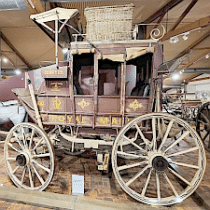
In celebration of the 100th anniversary of the Cobb & Co Festival, Queensland Rail in collaboration with the Australian Railway Historical Society (ARHS) will be taking festival goers back in time onboard a heritage steam train to Roma, stopping at Miles and Yuelba.
BB18 ¼ Steam Locomotive
Queensland Rail’s Nev Conway said Queensland Rail had a longstanding history with Cobb & Co and was proud to be able to deliver this unique train journey to the South West. For the first time in 10 years, we’re thrilled to be running one of our BB18 ¼ steam trains past Toowoomba to get to this year’s festival,†Mr Conway said.
As well as making a grand entrance for the festival finale, there are two options to travel pulled by this historic engine.
For the first, we’re offering locals the chance to travel between Yuleba and Roma on Sunday 25th August, for the Cob & Co festival’s Family Finale Day. The second option for our Cobb & Co enthusiasts is we’re offering a 3-day package option which departs from Toowoomba on Saturday, 24th August and includes an overnight stay in Miles before stopping at Yuelba and Roma for the festivities.â€
Mr Conway said the first Cobb & Co horse drawn coach in Queensland ran from Brisbane to Ipswich on 1 January 1866, and once it arrived at Ipswich, passengers and mail were then transported by rail through to Grandchester which was the end of the rail line at that time. The Cobb & Co coach journey then continued from Grandchester to Toowoomba and by 1900 the company operated 39 routes in Queensland covering 7,750 kilometres, harnessed 9,000 horses and travelled over 31,000 kilometres every week.
The expansion of the rail network opened new areas for Cobb & Co services further west, with Service No. 177 becoming the most famous coach route, running from Yuleba through Surat and on to St George. We’re encouraging the community to giddy up and experience a piece of Queensland’s rich history with train tickets on sale for as little as $58 for adults and $40 for children, depending on where you hop on and off.â€
To book tickets visit www.arhs-qld.org.au or for more information about Queensland Rail’s history with Cobb & Co listen to Queensland Rail’s podcast episode 23: Fancy a ‘tale’ about a co-ordinated road/rail ticket, but 160 years ago? (When Cobb & Co coaches used to meet the Queensland Railways).
Submitted By John Pollard, Vice-president/Secretary, Australian Railway Historical Society.
Tributes are flowing for longstanding St Vincent’s Private Hospital Toowoomba CEO Kathryn McKeefry who will leave the hospital on 23rd September.
Ms Kathryn McKeefry
Ms McKeefry joined St Vincent’s in 2016 bringing extensive experience in numerous and diverse health organisations around the world to the role. During the last eight and a half years, she has led the hospital through a significant period of positive change and development. She has overseen major developments including new operating theatres, a new Emergency Department and ICU, and numerous improvements to the hospital’s many services.
Ms McKeefry is leaving St Vincent’s on a high note. Last month, the hospital passed the triennial National Safety and Quality Health Service Standards (NSQHS) accreditation process with flying colours.
To have had the privilege of leading teams of excellent staff, witness the high clinical standards adhered to and to see the close relationships we now have with our doctors, patients and the wider community, is so rewarding†she said. I am very proud of our achievements but will genuinely miss the relationships I’ve forged during my tenure as CEO,†Ms McKeefry said.
Dr Dennis Campbell, Chair of Darling Downs Health Board, paid tribute to Ms McKeefry’s contribution to St Vincent’s Hospital. Kathryn brought St Vincent’s Toowoomba back to having a presence in Toowoomba and the Darling Downs,†Dr Campbell said. St Vincent’s is a community hospital and Kathryn reinvigorated the hospital. She also brought in a lot of tertiary services. She has done a great job and has continued the St Vincent’s Mission that the Sisters of Charity started all those years ago,†Dr Campbell said.
Senior specialist and St Vincent’s doctor since 1996, Dr Eric Donaldson, said he was saddened to hear news of Ms McKeefry’s resignation. I have always had a lot of respect for the massive developments and endeavours Kathryn orchestrated for St Vincent’s,†Dr Donaldson said. Her passion and commitment for St Vincent’s was very apparent and admirable. Whatever the future holds for her, I wish Kathryn well and congratulate her on the legacy she’s left. She will be hard to replace.â€
Deputy chairman of People First Bank, Kerry Betros, described Ms McKeefry as a driving force in the community. In her time at St Vincent’s, Katheryn has been the driving force behind great advances in the facilities and services provided by the hospital,†Mr Betros said. She has revitalized and grown the hospital but at all times placing the needs of the patients as first priority. Under her leadership St Vincent’s has become a very trusted hospital the community can be proud of,†he said.
Longtime St Vincent’s supporter and philanthropist Clive Berghofer AM said Ms McKeefry had achieved so much in her time as CEO. I am disappointed to see her leave. She has achieved so much and is a great asset to the community,†he said.
Dr Andrew Parkin
Director of the Emergency Department at St Vincent’s, Dr Andrew Parkin paid tribute to Ms McKeefry’s renovation, rejuvenation and development of the hospital campus. From a cognitive point of view Kathryn could pull together the loose ends and had the skills to create the beautiful end products. But she also cared. Throughout her tenure, she demonstrated great empathy and
awareness of individual’s needs and those of the community. She was a tremendously caring CEO trying to push to improve services for people,†Dr Parkin said.
Emergency Department Nurse Unit Manager, Lauren Phillips also acknowledged Ms McKeefry’s ability to bring positive change and to bring the ED to fruition. Assistant Director of Clinical Services at St Vincent’s Nicole Piper said she was grateful to have had the opportunity to work under Ms McKeefry’s leadership. Kathryn’s vision and commitment is evident throughout the hospital, making it a hospital I am proud to work in. Her wisdom and encouragement have been invaluable in helping me grow my professional career and I wish her good luck and success on her new path,†Ms Piper said.
Assistant Director of Perioperative Services Rebekah Butler agreed. As CEO of St Vincent’s Toowoomba for the last eight and a half years, Kathryn has been instrumental in driving forward the redevelopment of several departments and bringing the hospital to the excellent standard it is,†she said. In addition to that, Kathryn is an excellent leader and has been a great support and mentor to emerging managers within the hospital. Her listening ear and guidance will be greatly missed,†Ms Butler said.
Tickets for the Toowoomba Hospice Charity Race Day are now on sale, so why not kick off the Spring Racing Carnival on 7th  September at Clifford Park Racecourse?
Maralyn Fitzgibbons, Adele Roberts and Sue Pearson were all smiles after a win on the day at Toowoomba Hospice Race’s last year!
Business Manager Mr. Mark Munro said he was looking forward to another successful event. We hope to have at least two hundred attending this year. We have made a couple of changes in the hope to entice everyone to dig a bit deeper to help us raise $30,000.â€
Race Day is one of the Hospices’ major fundraisings/social events, with the money raised being used to assist the daily operations of this important community facility providing free palliative care for adults.
Tickets are only $120.00 for Standard or $200.00 for Premium (includes a 4 hour standard drink package). Price includes entry to the races, a grazing board on each table, and a delicious two course plated dinner and desert (alternate drop), and can be purchased by going to the Hospice Website www.toowoombahospice.org.au/events
Fundraising and Events Coordinator Mrs. Amy Goldsmid said the best part of supporting our Charity Race Day is knowing you are raising funds for your local Hospice – The Toowoomba Hospice is a local charity and is proud to put the money raised locally back into the community by supporting local businesses, companies, families, and individualsâ€.
Take a journey into the past as Queensland Museum Cobb+Co, Toowoomba winds back the clock 100 years to commemorate the final Cobb & Co. Coach run with four days of celebrations this August.The Cobb 100 celebrations at Queensland Museum Cobb+Co mark a century since the final horse-drawn coach run, a mail run between Yuleba and Surat on 14th August, 1924.
The museum is expecting significant attendance over the four days, including visitors from outside of the Toowoomba region eager to relive the legacy of Cobb & Co.
From 14-17 August visitors can experience the history of Cobb & Co. coaching with live heritage trade demonstrations, curatorial talks, bush poetry, theatrical and choir performances, guided tours, and more. Festivities also celebrate the reopening of the newly refurbished National Carriage Collection, showcasing 50 horse-drawn vehicles including one of the last Cobb & Co. coaches.
A Passive House in east Harlaxton will be featured as part of Sustainable House Day on Sunday 21st April 2024, alongside over 100 of Australia’s most inspiring sustainable homes.
Passive Houses are highly energy efficient homes that are comfortable, environmentally friendly, and affordable to live in. Passive Houses make best use of the passive†influences in a building – like sunshine, shading, and ventilation – rather than active heating and cooling systems such as air conditioning and home heating. Coupled with very high levels of insulation and airtightness, this makes it possible for a passive home to use 90 per cent less energy than a typical house, saving on bills.
Established in 2001, Sustainable House Day is a national community-driven event hosted by Renew, that allows the public to see and learn from Australia’s greenest homes. It aims to inspire people to live sustainably, showing them how to lower energy bills, live comfortably, and help the environment through good home design, practices, and technology.
Sustainable House Day provides practical information on sustainable homes: what works, what doesn’t and how to best navigate the journey of building or renovating your home. Michael Krause, the owner of the Harlaxton Passive House will join more than 120 homeowners nationwide in opening their home to the community to provide tips and advice on building and living sustainably, including all-electric, off-grid living, innovative building materials, tiny homes, and tech such as batteries, solar and more.
Each home is showcased on the Sustainable House Day website and features a virtual tour and the ability to connect with homeowners to ask questions about their homes.
Following the main event on the 21st of April, a number of homeowners will join industry experts to participate in a series of online panel discussions – the Extension Sessions – taking place from 30th April to 23rd May. These sessions will cover a range of sustainable house topics including orientation, insulation, and air flow; solar, home batteries and EVs; prefab and modular house design; and building small and clever and allow a valuable opportunity for anyone embarking on their own sustainability journey to seeking guidance from those have completed their own projects.
Further information and booking links for these sessions can be found on the Sustainable House Day website: www.sustainablehouseday.com – The house profile and sustainable credentials of the Harlaxton Passive House can be found here: https://bit.ly/HarlaxtonPassiveHouse
Anyone can watch a video tour of the house and ask questions of the homeowner on this page.
Sustainable House Day is organised by Renew, a national, not-for-profit organisation that inspires, enables and advocates for people to live sustainably in their homes and communities. The tour of this Passive House is supported by the Toowoomba branch of Renew.
Submitted By: Michael Krause E: toomike23@bigpond.com,

 “Transferring ownership of our beloved Chronicle Garden Competition to the Toowoomba Hospital Foundation really showcases the Chronicle’s commitment to giving back to our community. We are extremely proud to assist with raising much needed funds for the Hospital Foundation, in particular the Regional Cancer Centre,” said Erika Brayshaw, General Manager at The Chronicle.